As you venture into the complex world of World of Warcraft raids, understanding raid mechanics evolution, team coordination, and adapting strategies is essential. With each new expansion, challenges increase, demanding individual skill and collaboration. Strong communication and precise execution of strategies guarantee success. Monitoring top guilds, practicing mechanics regularly, and analyzing team performance help refine your approach. By balancing party roles, leveraging class synergies, optimizing gear acquisition, and tactic management, you are poised to dominate even the most formidable encounters. Continue to refine your approach and you will discover the secrets to raid domination.
Key Takeaways
- Raid mechanics have evolved from simple coordination to include dynamic multi-phase battles and complex boss mechanics.
- Balanced raid composition plays a crucial role in enhancing team synergy and performance.
- Effective communication and strategy execution are crucial for success in modern raid encounters.
- Understanding and adapting to dynamic raid mechanics are essential for staying competitive.
- Server-wide raids and sieges require dynamic coordination and strategy from players to succeed.
Evolution of Raid Mechanics
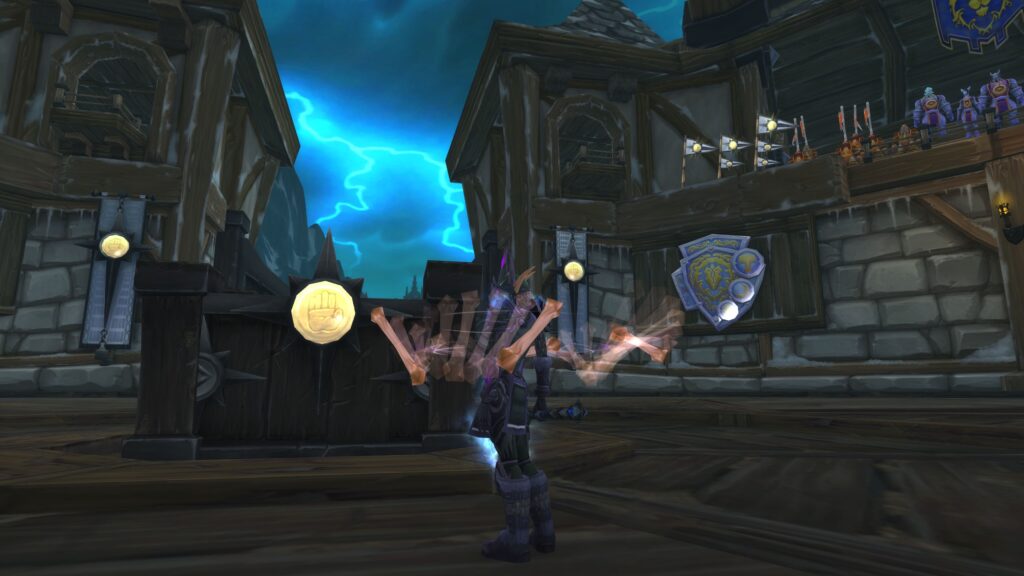
Raid mechanics in World of Warcraft have undergone significant transformations over the years, from the initial challenges in Vanilla WoW to the complex encounters in modern expansions. The evolution of these mechanics has led to a marked increase in difficulty and complexity, testing both individual skill and team coordination. Over time, players have adapted to these changes by developing strategies tailored to each raid’s specific challenges.
One recent adjustment involves the incorporation of server-wide raids and sieges. This shift aims to enhance the overall raid experience by allowing for more dynamic coordination, but its rollout has been met with controversy. The current co-op system requires players to spend substantial time queuing for raids and coordinating with guildmates, with limited tries at each raid. This has led to frustration among players who want to tackle raids at their own pace. Despite these issues, developers are working to improve the mechanic evolution, fostering more engaging raid challenges for the community.
Navigating Competitive Raids Today
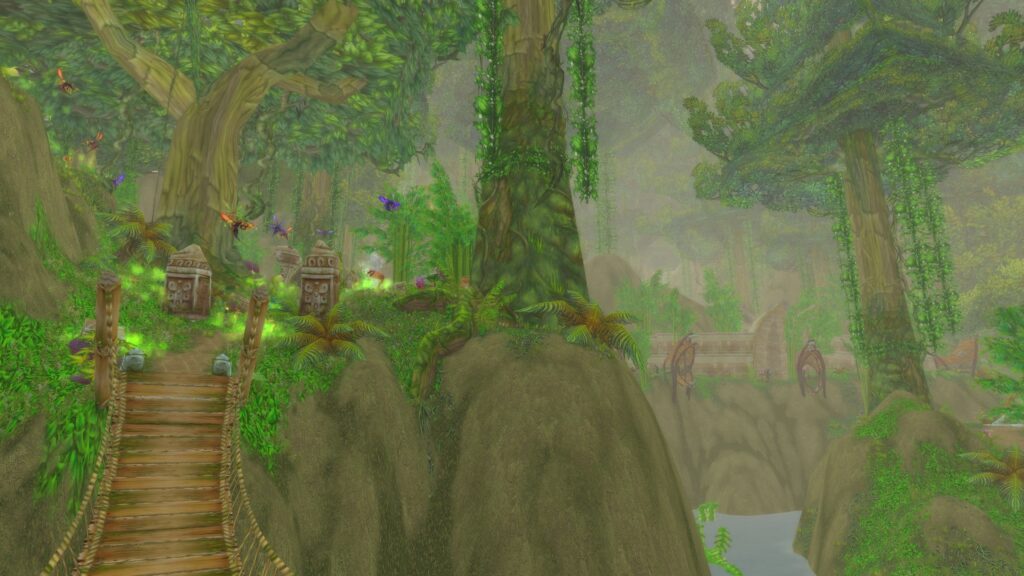
How do you stay competitive in the fast-paced world of World of Warcraft raiding, where strategies and compositions from top guilds quickly trickle down, causing you and your team to adapt rapidly to stay ahead? Staying ahead involves fostering strong raid communication and adapting to boss pacing. Effective communication enables your team to execute strategies efficiently and address challenges that arise during the fight. Meanwhile, understanding the boss’s tempo helps you prepare for key abilities and changes.
To guarantee competitive performance, you will need to:
- Monitor metaphors and composition guides from top guilds to adapt to the evolving raid landscape.
- Practice boss mechanics to maintain pace and respond to unexpected situations.
- Analyze your team’s performance and adjust strategies based on each encounter’s backtrack and challenges.
Adopt these strategies to stay on par with top-level raids and enjoy the thrilling competition in World of Warcraft.
Raid Composition Strategies
I)
When building a competitive raid team, you need to strike a balance between different party roles to guarantee your group is well-rounded and effective. Effective spec selection is essential as it directly impacts your team’s overall damage output and survivability. A careful analysis of DPS synergy can help you identify powerful combinations and maximize your raid team’s potential.
Balanced Party Roles
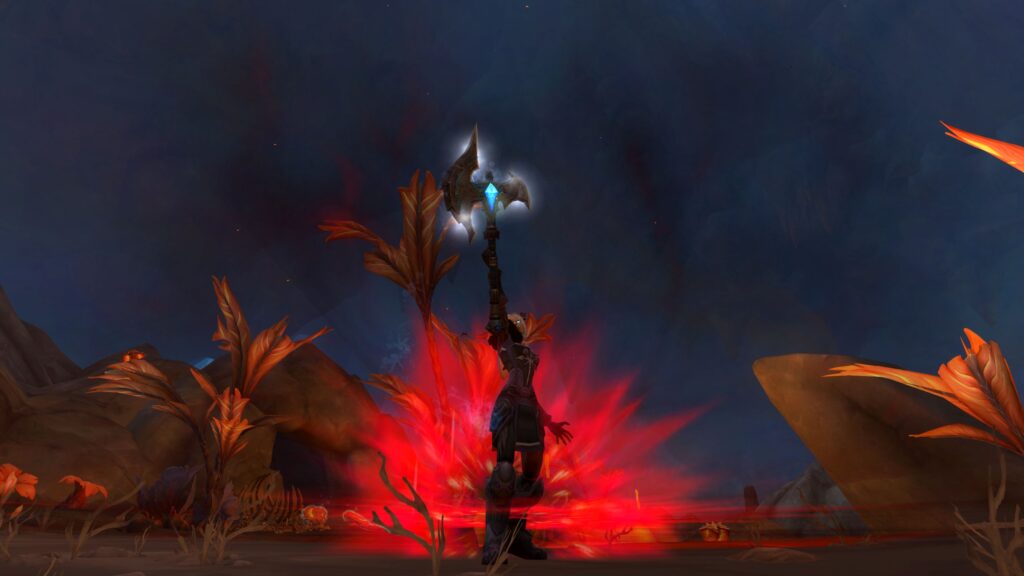
Crafting a balanced raid composition involves carefully selecting roles to assure adequate healing, damage, and tanking capabilities. This delicate balance is essential for success in any raid.
To create a well-rounded team, consider the following key elements:
- Role Diversity: Include a mix of classes and specs to cover essential buffs, debuffs, and utility options. This diversity enhances party synergy by allowing each member to contribute unique strengths.
- Tank Variety: Incorporate different tank specs to cope with various raid encounters. For instance, Blood Death Knights are popular for their mass grip and better abilities, but other tanks like Prot Paladins and Brewmasters can also be effective.
- Class Synergy: Balance your team by combining classes that complement each other. For example, including both healers and damage dealers can create a cohesive unit.
Effective Spec Selection
When selecting your specs, confirm you understand the key roles each class and spec fills to maximize raid performance. Effective spec selection involves balancing spec advantages and disadvantages. While ideal specs for Mythic+ and raids change with each meta shift, maintaining a well-rounded composition is vital. Role flexibility is key, as certain specs like Demonology Warlock excel in Mythic+ but struggle in raids, where specs like Arms Warrior or Wind Walker dominate.
Off spec viability should also be considered to guarantee each player can contribute. Boss encounters require specific utility spells and damage mitigation strategies. Healing output and damage must be distributed evenly across the raid to achieve successful clears. Understanding these dynamics helps you build a cohesive team capable of adapting to challenges.
DPS Synergy Analysis
DPS Synergy Analysis
To maximize raid efficiency, construct your team by deliberately mixing and matching DPS specs, as certain combinations enhance synergy and facilitate heroic clears.
Ideal Raid Composition Strategies
- Balance Between Single-Target and AoE Damage: Verify your team has a mix of specs that excel in both single-target and area of effect damage. This balance allows for ideal performance in various encounter types.
- Synergistic Cooldowns and Burst Damage: Combine specs with powerful cooldowns and burst damage capabilities, verifying that your team can take advantage of critical moments in fights.
- Consistent Damage Output and Team Coordination: Select specs that maintain consistent damage output over time, and verify they work together to maximize team coordination and execute complex strategies effectively.
Class Roles in Top Raids
As you assemble your raid team, it is essential to grasp the importance of high DPS performers and class synergy. Top raid compositions emphasize the collaboration of specific class roles to guarantee superior output. By understanding the strengths and weaknesses of each class, you can refine your team’s strategy for success.
High DPS Performers
In top raids, classes like Arms Warrior, Fire Mage, Balance Druid, and Subtlety Rogue stand out due to their exceptional damage output and versatility.
These high DPS performers consistently deliver impressive numbers, particularly in the following areas:
- Burst Windows: Classes like Fire Mages and Subtlety Rogues excel in short-term, high-damage scenarios, providing significant damage spikes.
- AoE and Cleave: Balance Druids and Arms Warriors excel in multiple-target situations, dealing massive DPS to clusters of enemies.
- Survivability: These classes also possess strong defensive capabilities, ensuring they can weather tough raid scenarios while maintaining their damage output.
Their performance in different raid encounters is reflected in their standing in the latest DPS tier lists, illustrating their effectiveness in the current raid meta.
Class Synergy
Class roles play an important part in top rails as each spec brings unique utilities and abilities that complement others. When it comes to high-level raiding, understanding how these roles interact is essential. Heater coordination, for instance, is crucial as various healing classes bring different strengths to the table. A well-coordinated healing team can secure the raid group’s survival, while inefficient healing coordination can lead to wipes. Similarly, tank synergy is critical, as tanks with strong defensives and mobility options can make raids noticeably easier to manage. Additionally, DPS specs that excel in single-target or multi-target damage can greatly boost overall raid performance. Archon’s tier lists rank specs based on multiple metrics, including these synergies, to provide players with accurate information.
Item Level Optimization
For a seamless item level optimization in Dragonflight Season 4, strategically combining various gear sources, such as Awakened raids, M+, LFR, weekly quests, and crafted gear, is vital to reach the desired item level. This multi-pronged approach guarantees that you do not miss out on any potential upgrades. Here are three key aspects to focus on:
- Awakened Raids: These raids offer a significant opportunity for item level upgrades. Focus on optimizing your runs of Awakened Heroic and Mythic instances to maximize your gear acquisition.
- M+ Strategy: Your Mythic+ progression is also vital for item level upgrades. Confirm you are pushing high keys regularly and choosing the right compositions to take full advantage of the gear drops.
- Crafted Gear Opportunities: Crafted items can provide a critical boost to your overall item level. Stay on top of crafted gear updates and optimize your professions to create gear that complements your raid and M+ progression.
Managing Raid Difficulty Spikes
As you’ve optimized your item level through strategic gearing, you must now prepare to manage raid difficulty spikes to secure your continued progression in Dragonflight Season 4. Raid difficulty spikes can be intimidating, but effective management of raid resources and incorporating difficulty scaling techniques will help you navigate these challenges.
Difficulty spikes often arise due to factors like DPS, healing, and tanking limitations. To overcome these, actively manage your raid party’s positioning, employ crowd control strategies, and optimize your spell rotations. Additionally, leveraging helpful buffs, like the upcoming raid buffs that cap at 20% increased player power, will give your group a significant advantage. It’s also vital to fine-tune your strategies based on the specific raid mechanics and compositions.
Incorporating these techniques will allow you to better manage raid difficulty spikes and maintain continued progression. As you progress and gear improves, your focus can shift from managing difficulty to optimizing performance and executing strategies more efficiently.
Balancing Strategy & Tactics
To guarantee you consistently clear raid content and continue progressing in Dragonflight Season 4, balance your strategy by coordinating with your team to optimize specific raid mechanics and executions.
Key considerations for tactical adaptability include:
- Mastering Mechanics: Make certain all team members understand and execute mechanics correctly, as small mistakes can be costly. Regular practice and review of fight strategies help develop this proficiency.
- Assigning Roles: Clearly define roles for each player, particularly in complex fights like Eranog or Igira, to ensure smooth execution and minimize confusion.
- Adjusting to Adapt: Flexibility is vital in high-level raiding. Be prepared to modify your strategy if initial approaches fail, using feedback to improve team performance.
Achieving Ahead of the Curve
Raiders seeking to achieve Ahead of the Curve, the definitive mark of excellence in Dragonflight’s Season 4 raid content, must concurrently execute faultless mechanics and adapt high-level strategies. Speed running the raid requires strict attention to detail, as each second counts in overcoming the challenges posed by Amirdrassil, the Dream’s Hope. Effective loot distribution, often facilitated by the updated Great Vault and Warbands systems, guarantees that each player has the necessary gear to contribute effectively.
Strong team communication and role flexibility are also essential, allowing members to adapt quickly to changing circumstances within each encounter. Preparing for each boss fight involves extensive knowledge of the mechanics and strategizing accordingly. Additionally, resource management plays a significant role as players must conserve their abilities and manage cooldowns to guarantee that they can respond to the intense demands of the raid. By mastering these elements, raiders can rise to the top of the ranks and surpass the prestigious Ahead of the Curve milestone.
Frequently Asked Questions
Are Nerfs Needed for Casual Raid Progression?
You might be wondering if nerfs are needed for casual raid progression. Recent examples show how over-nerfed content can hinder player motivation. For instance, the significant nerf to HP in early raid tiers can make the experience feel too easy, leading to a lack of satisfaction or achievement. Casual player impact is key; if raids become too trivial, engagement may drop. Maintaining a balance through nerf feedback loops is essential to preserve player interest and maintain an engaging raiding experience.
How Do Class Changes Affect Raid Difficulty?
When it comes to how class changes affect raid difficulty, the issue is more complex than just nerfing raids. Class synergy plays a considerable role, as uneven balance between classes can meaningfully alter the encounter design. This affectption in Physcompends(%20harder easier%3F …
Should Raids Have Fewer but More Intense Battles?
When considering if raids should have fewer but more intense battles, you need to weigh the benefits of condensed, intense engagement against the potential drawbacks. Fewer battles can improve battle pacing, allowing players to focus on challenging encounters. However, fewer battles might also mean less overall content and less variety in raid experiences.
What Role Do LFR and Heroic Raids Play in Progression?
LFR (Looking for Raid) and Heroic raids play distinct roles in progression. LFR offers a more accessible route, allowing you to engage with raid content without needing a fixed group, while Heroic raids present greater challenges for more experienced players. By having these separate modes, World of Warcraft maintains a balance between accessibility and difficulty, catering to different skill levels and game styles.
How Can Guilds Address Communication Issues With Blizzard?
To address communication issues with Blizzard, guilds need effective leadership that sets clear guidelines and expectations. This includes staying updated on patch notes, monitoring official forums, and adjusting plans accordingly. By proactively planning and adapting to changes, guilds can minimize the impact of unexpected shifts in raid rotations and guarantee continued progress and engagement for their members.
Conclusion
You stand at the forefront of WoW’s evolving raid meta today. With dynamic battles, adaptive strategies, and a team that brings diverse skills and support, you’re poised to conquer the most challenging encounters the game has to offer. From flexible difficulty settings to personalized playstyles, every element combines to create engaging experiences that thrive on community and strategy.
Visit our blog today and start your journey to raiding mastery!