In Azeroth’s expansive history, the most iconic raids are rooted in intricate narratives of powerful factions and legendary characters. Among these are the Burning Crusade, where the return of the Burning Legion set the stage for epic battles against Illidan Stormrage in Outland; Wrath of the Lich King, where the rise of the Lich King in Northrend brought forth the powerful Death Knights; Pandaria’s Ancient Wonders, where raids in the Mystic land explored the history of Pandaren and Zandalari Trolls; The Titans’ Shadow Falls, where Yogg-Saron’s corrupted guardians threatened Azeroth; and the Battle for Azeroth, where Uldir and the Battle of Dazar’alor highlighted faction dynamics and innovative battle strategies.
Key Takeaways
- The Burning Crusade: Introduced the iconic Black Temple raid, the home of Illidan Stormrage and the culmination of the expansion’s narrative.
- Wrath of the Lich King: Showcased the epic raid Icecrown Citadel, the stronghold of the Lich King, and explored Arthas Menethil’s transformation.
- Cataclysm: Highlighted the ruins of Ragnaros in the Firelands raid, where the Elemental Lord sought to blaze a path through Azeroth.
- Mists of Pandaria: Featured the Throne of Thunder raid, a titan-themed stronghold where players battled Lei Shen and Titan Keeper Ra-den.
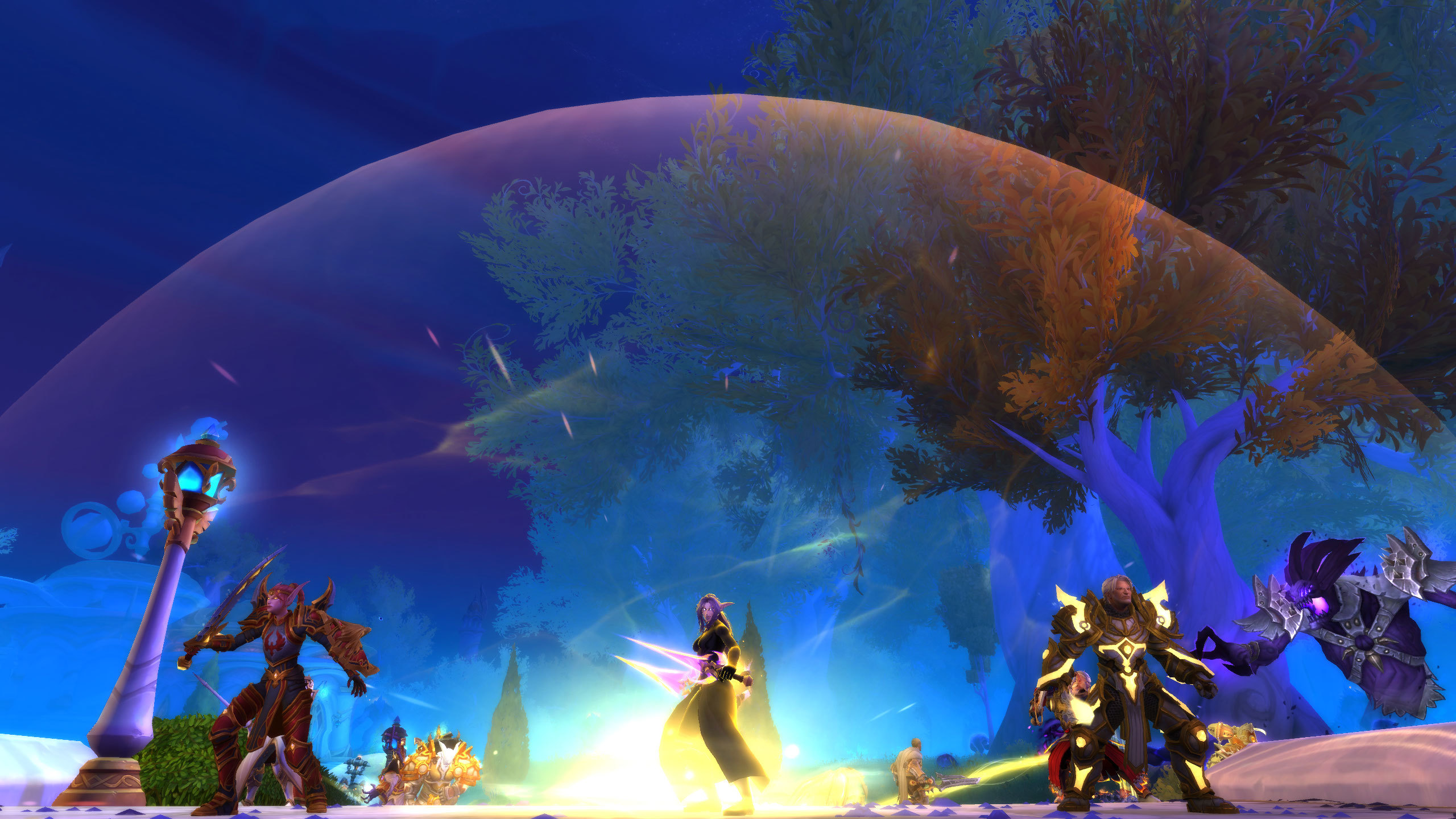
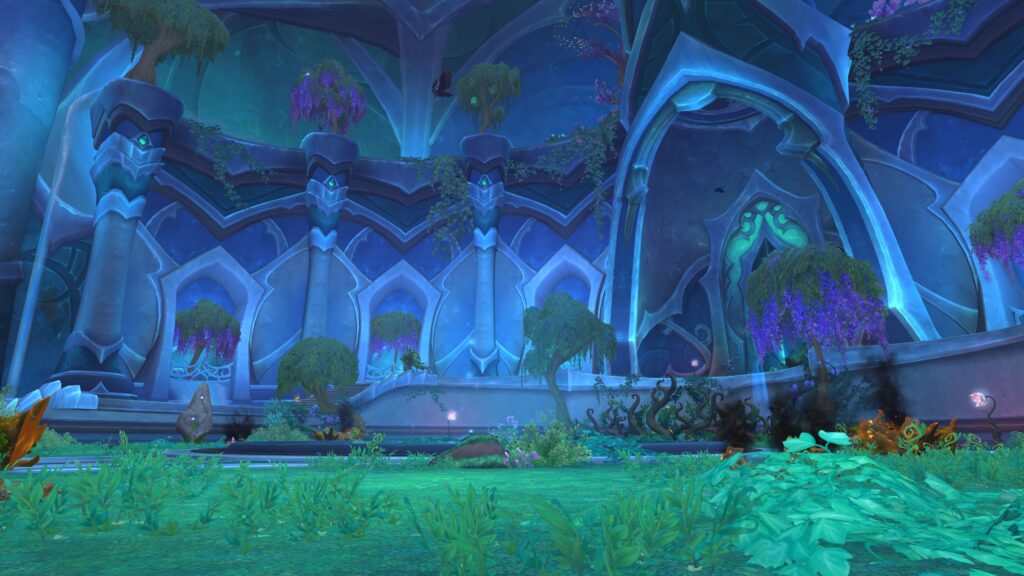
- Legion: Presented the Nightfallen-themed raid, the Nighthold, and the survival of a corrupted Suramar city from demonic invasions.
The Burning Crusade Unleashed
The Burning Crusade, WoW’s first expansion, released a torrent of fresh raids and challenges that captivated the gaming world on January 16, 2007. This expansion brought two new playable races: the Draenei, who fled Argus to avoid the Burning Legion‘s corruption, and the Blood Elves, once part of the night elf kingdom, now seeking power and revenge.
You entered the shattered domain of Outland, seeking to stop the Legion and ultimately destroy Illidan Stormrage. Illidan, once a powerful ally against the Burning Legion, had betrayed his former comrades and begun to build an army to protect his people. His increasingly isolated position prompted both the Horde and Alliance to prepare for an all-out assault through the Dark Portal to push back the demonic forces threatening Azeroth.
Within Outland, you fought through notable places such as Gruul’s Lair, Magtheridon’s Lair, Serpentshrine Cavern, Tempest Keep, and Black Temple. Each raid provided a unique and formidable challenge, pushing players to improve their skills in battle and coordination with their fellow adventurers. These raids not only provided epic loot but also deepened WoW’s lore, exploring the complexities of Illidan’s betrayal and the Draenei exodus.
Wrath of the Lich King
Building on the foundation set by The Burning Crusade, your journey through Azeroth continues as you confront the threat of the Lich King, the unforgiving master of Northrend, who now seeks to spread his dark influence across the frozen wasteland. In this icy landscape, Death Knights emerge as powerful adversaries, bound to the Lich King by the dark magic of Frostmourne’s Truth. The Lich King’s malevolent power fuels the Scourge Army, an unstoppable force that seeks to consume all life in its path.
The culmination of your quest takes you to Icecrown Citadel, the Lich King’s stronghold, where you must launch a daring Citadel Assault to defeat this powerful foe. Explore deeper into the lore behind this iconic raid and uncover the secrets of Arthas Menethil, the fallen paladin who became the Lich King. Your bravery will be tested in the Plague of Undeath, as you battle against the relentless undead hordes. The fate of Azeroth hangs in the balance, and your strength is its only hope.
Pandaria’s Ancient Wonders
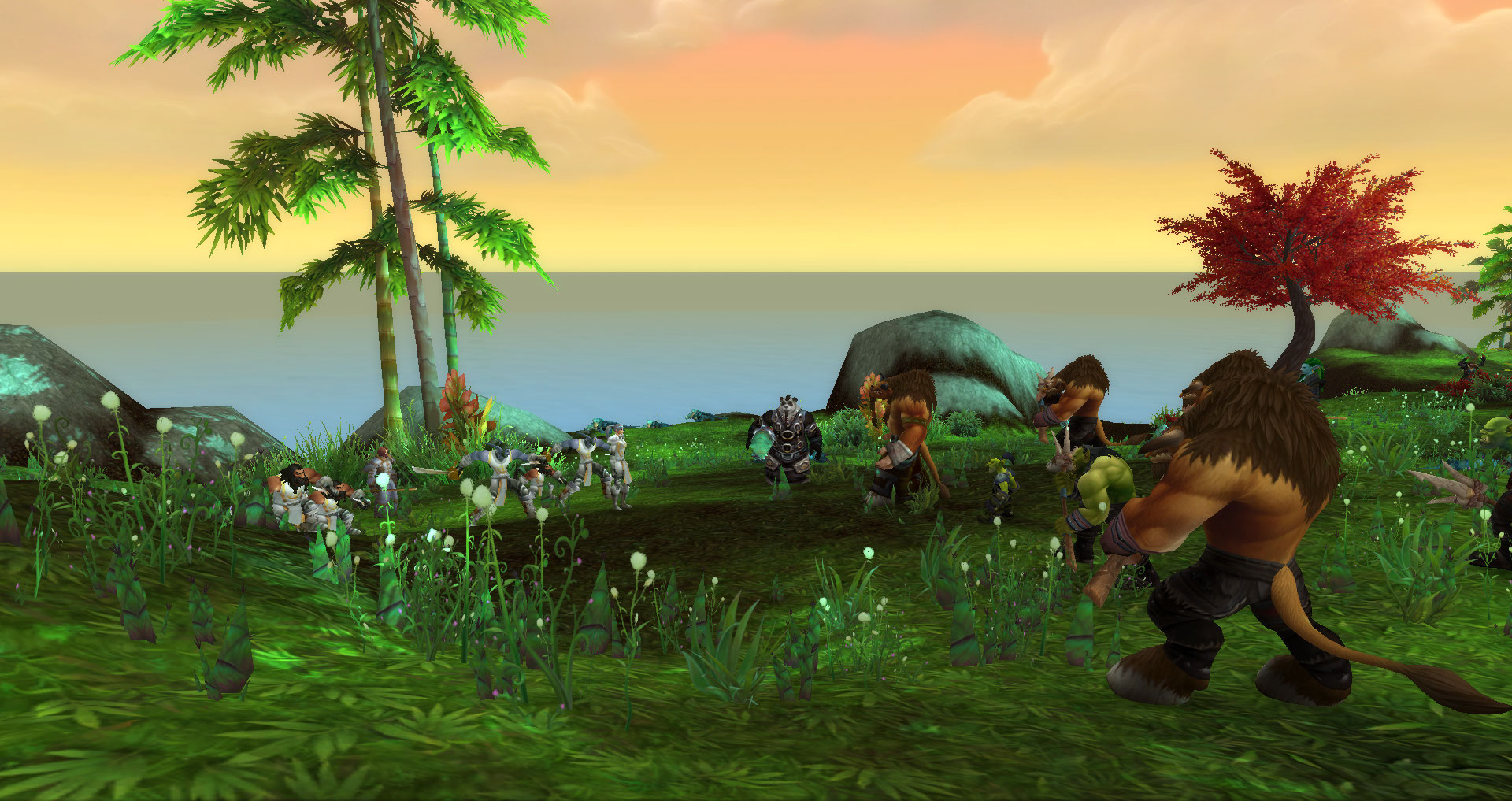
Your journey takes you to the mystic land of Pandaria, where ancient secrets await discovery. Here, you uncover the lore behind two of the most iconic raids in World of Warcraft: Throne of Thunder and Siege of Orgrimmar.
In the Throne of Thunder, you face the ancient Mogu king Lei Shen and the powerful Titan Keeper Ra-den. This sprawling palace, fueled by the Thunder King’s power, reveals the rich history of the Pandaren and Zandalari Trolls. Mechanics like thunder-charged battles tested even the most skilled raiders, making the Throne of Thunder a truly unforgettable experience.
Another memorable raid in Pandaria is the Siege of Orgrimmar, where the Horde’s capital city is under siege. This raid lets players confront the corruption of Garrosh Hellscream and the desecration of the once-sacred land. With battles spanning from the city’s gates to the depths of the far=”.
The Titans’ Shadow Falls
Here is the very short paragraph:
As you explore the raided landscapes within World of Warcraft, you discover the titans’ profound impact on mortal prophecy. Their interventions have shaped the course of history, often from the shadows. By examining these pivotal events, you can better understand how titan involvement influenced destiny itself.
Titan Interventions
Aman’thul, the primary architect of the Titans, orchestrates a profound upheaval in Azeroth’s midst in pursuit of the One True Timeline. This singular focus spurs considerable interventions throughout the world’s history, shaping key events and conflicts. As the Titans endeavor to protect their preferred timeline, they create the titan guardians who serve as powerful sentinels against cosmic threats. These guardians are responsible for maintaining balance and order, thereby safeguarding the world from the destructive influences of the Old Gods and the Void.
In the raid Ulduar, for instance, players engage in a battle against corrupted titan guardians who have been twisted by the power of Yogg-Saron. This reflects the Titans’ relentless efforts to protect their ideal timeline. In addition, Aman’thul‘s vision of the Hour of Twilight prompts him to uplift the dragon aspects to prevent this catastrophic event, demonstrating his proactive role in directing the course of events. Through such interventions, the Titans greatly influence the path of Azeroth, perpetuating a narrative where their actions have far-reaching consequences.
Mortal Prophecies
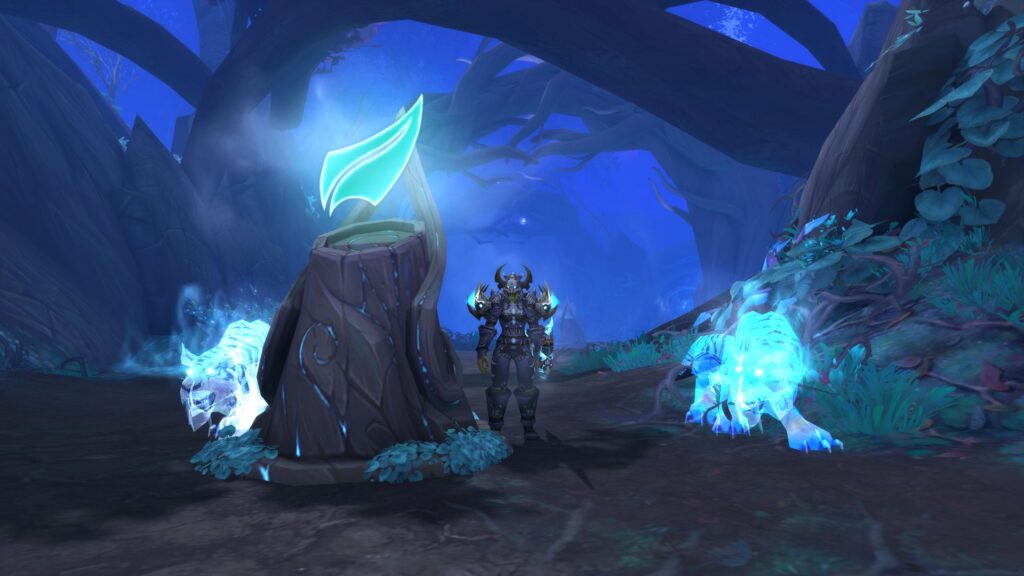
In the wake of the Titans’ interventions, mortal prophets emerge as essential agents of change, interpreting portents of a predicted downfall that casts the titans’ shadow over Azeroth. These fateful visions and prophetic whispers guide players through the upcoming fate of the world, hinting at catastrophic events yet to come. Prophets who interpreted these omens played a significant role in the unfolding story, as they directed the course of events in key raids. For instance, Ulduar, a raid during [“Wrath of the Lich King,”] revolved around the watchful Altar of [missing text] when the ancient Titan Keeper, Ulduar, and his corrupted legion threatened the Twilight Stand. Elsewhere, the Throne of Thunder, set in Pandaria, featured a titanic struggle against the Mogu king Lei Shen, exemplifying the looming shadow of the titans. These mortal prophecies, intertwined with the titans’ interventions, set the stage for epic battles that would determine the destiny of Azeroth.
The Burning Legion Returns
As World of Warcraft’s most iconic raids are revisited, the Burning Legion’s return marks a significant shift in power dynamics. With Sargeras gone, the Legion faces a leadership vacuum, prompting strategies to adapt and reassess their objectives. The fallout from their earlier defeat now serves as a blueprint for their newfound ambition.
Demon Leadership Vacuum
As WoW players, we often overlook the fundamental question: Who led the Burning Legion before Sargeras? It’s a curious oversight, especially given their vast conquests across the cosmos. This void in leadership knowledge is intriguing, considering the Legion’s history of ravaging multiple worlds.ITableView
After Sargeras, the structure of the Burning Legion involved significant power struggles within the demon hierarchy. Archimonde and Kil’jaedin are potential leaders mentioned before the Draenei retcon, while the Eredar and Nathrezim each had their own planet. There were also smaller empires and worlds inhabited by diverse demons. These groups clashed with each other and other forces until Sargeras unified them under his command.
Post-Sargeras Strategy Shift
You may wonder how the Burning Legion will reorganize and adapt following Sargeras’ departure. The demonic titan’s leadership was the driving force behind the Legion’s actions. Now, without their dark god, the demons must adapt to a new reality.
| Leadership Vacuum | Post-Sargeras Dynamics | New Strategies |
|---|---|---|
| Top Ranks Vacant | Loss of Artifact Power | Search for New Leaders |
| Demons Without Guidance | No Clear Objective | Fragmented Assaults |
| Void’s Influence Increases | New Demonic Factions | Chaos and Disorder |
As the Burning Legion regroups, many questions arise. Will they continue their assault on Azeroth, or will internal power struggles dominate their actions? The loss of artifact power, which Sargeras wielded to control the Legion, creates an opportunity for change. New leadership may emerge, or different factions within the Legion might vie for control, leading to altered strategies and new challenges for the people of Azeroth.
Legacy of Legion’s Fall
Legacy of Legion’s Fall
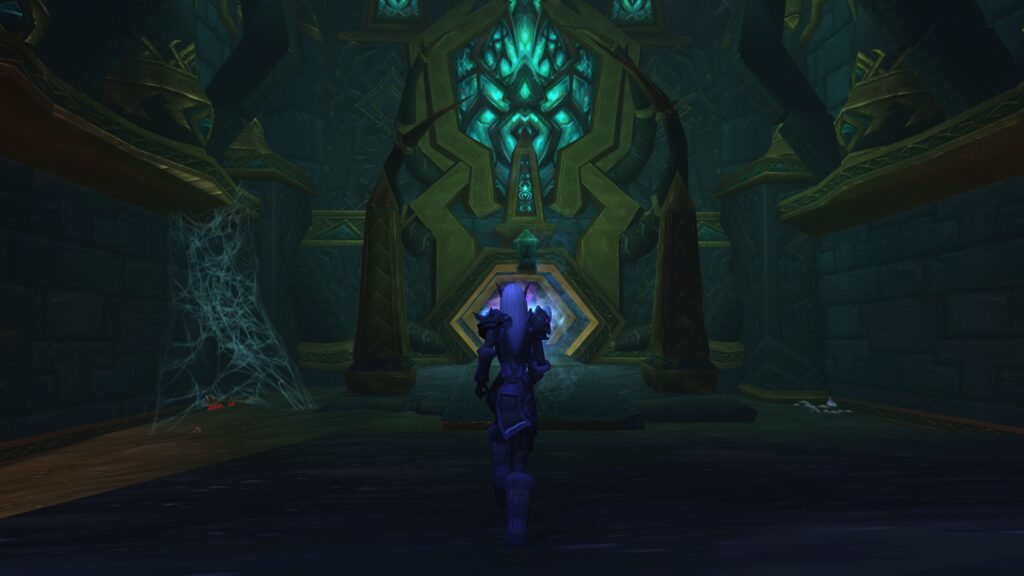
With the Burning Legion‘s leadership vacuum, the power struggles and factional divisions left in Sargeras’ wake could lead to new alliances, rivalries, or even a rediscovery of their purpose in the cosmos. The defeat of Kil’jaeden and the incapacitation of Sargeras set the stage for a massive upheaval within the Burning Legion. As you explore the aftermath of this pivotal event, the Argus Invasion in particular highlighted the repercussions of this power shift.
From the desperate unity of the Class Orders to the fragmented remnants of the legion, you see factions reforming and realigning in the wake of their former leaders. The rise of the Demon Hunters as a dominant force on the Broken Shore speaks to the adaptability and resilience that will be required to navigate the shifting landscape of demonic power structures.
Through this tumultuous period, you are left to wonder whether the Burning Legion can find a new path forward or if their internecine conflicts will ultimately prove their undoing.
The Battle for Azeroth
The Battle for Azeroth, WoW’s Seventh Expansion
The first raid of Battle for Azeroth, Uldir, saw the introduction of the corrupted Blood God G’huun, a powerful and malevolent force released within the Embrace of the Eclipse. As Azeroth faced unprecedented threats, both the Alliance and the Horde came together to battle this dark menace. The Alliance struggled to unify, while the Horde found strength in their unity and coordinated their Warfront tactics. This cohesion resulted in innovative battle strategies, exemplifying the true power of faction cooperation.
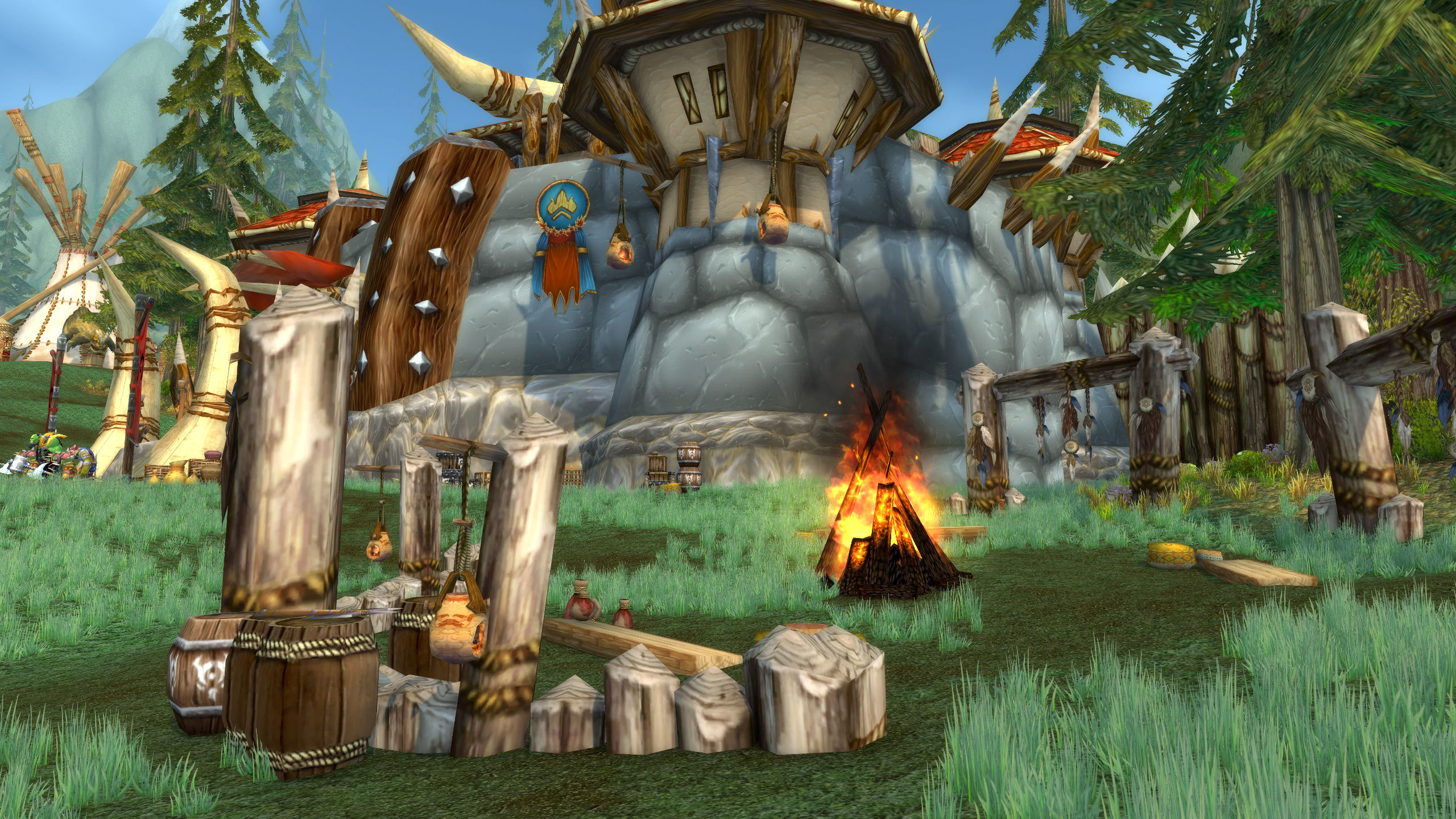
Combat innovations like the ability to engage in large-scale PvP battles emphasized the importance of diplomacy and inter-faction understanding. Unfortunately, failures in diplomacy often led to intensified faction rivalries. Amidst these struggles, the lore of Azeroth shone, highlighting the resilience of the planet and its inhabitants. The Battle of Dazar’alor raid, in particular, stood out for its grounded storytelling, featuring iconic bosses like Jaina and King Rastakhan. This raid exemplified the thematic unity that Battle for Azeroth and all its conflicts.
Frequently Asked Questions
Is There a Lore Reason for Repeatable Dungeons and Raids?
No, there isn’t a lore reason for repeatable dungeons and raids. Instances being repeatable are simply a gameplay mechanic with no inherent lore significance. They are designed for your convenience, allowing you to experience the story and gameplay without losing progress. This mechanic exists alongside other game mechanics, like horses vanishing in areas, but these mechanics don’t have any clear lore explanations.
How Did Old Raids Scaling Change Over Time?
As you explore old raids in World of Warcraft, you’ve likely noticed changes in their difficulty over time. Legacy raid mechanics have been adjusted to guarantee they remain challenging but not overwhelmingly so. These raid difficulty adjustments have been implemented to keep the experience engaging as players’ power levels increase with new expansions. This shift in scaling is intended to provide a smoother experience for solo players and groups alike, making old content more accessible.
Can I Solo Old Raids at a Higher Level?
Yes, you can solo old raids at a higher level. Typically, you can handle raids from two expansions ago with ease. However, some mechanics still pose significant challenges. For instance, Mythic Ny’alotha and Mythic Ghuun require precise soloing tactics and raid strategies. Blizzard occasionally adjusts old content, so it’s worth checking if any changes have made these raids more accessible.
What Is the Role of Viscidus in the Raid?
As you explore the raid, you’ll encounter Visidius, a significant boss. Origins: Visidius is a humanoid plant created by the night elves’ magical experiments. Significance: This powerful water elemental is essential to the raid’s narrative, exemplifying the corruptive influence of the Old Gods on nature.
Why Are Some Instances Repeatable and Others Not?
You’ve likely wondered why some World of Warcraft instances are repeatable while others aren’t. This dichotomy stems from the game’s dungeon design. Repeatable content often includes lower-level instance activities, like daily quests or heroic dungeons, which provide consistent rewards and exploration opportunities. These repeatable designs encourage players to revisit and master the challenges. In contrast, non-repeatable content includes high-level raid encounters like the Temple of Ahn’Qiraj, which typically offer unique, challenging experiences with more exclusive rewards.
Conclusion
You have explored the immense landscapes and battles of World of Warcraft, delving into the lore behind its most iconic raids. Along the way, you’ve faced off against powerful foes, from the demonic incarnations of The Burning Crusade to the icy grasp of the Wrath of the Lich King. The continuing struggle against the Burning Legion reaches new heights in the Battle for Azeroth, as the fate of entire domains hangs in the balance.
Visit our blog today and start your journey to raiding mastery!